
As an employee of a company that has been deeply involved in the heat therapy product industry for many years, and also as an ordinary person who has benefited from heating patches, I often hear user feedback at trade shows and in emails: “Your heating patches are simply a lifesaver! They instantly relieve my back pain!”
Of course, I’m happy to hear this feedback, but every time I will also say: “While heat therapy is great, but it’s not a ‘miracle’. Do you know that in some cases, blindly using heat therapy can actually be counterproductive?”
Today, I want to talk to you from my professional perspective about the “forbidden zones” of heat therapy that you absolutely must avoid.
1. What is the “golden time” for heat therapy?
Many people, when they sprain their ankle or bump their knee, immediately think: “Quick, get a hot water bottle and apply it to improve blood circulation!”
This is the first misconception I’m most concerned about. Within 24-48 hours of an acute injury (such as a fall or sprain), the local tissues are experiencing significant leakage and bleeding. If you apply heat therapy at this time, the blood vessels will dilate, which will worsen the swelling and pain.
How to know if it’s too early for heat therapy?
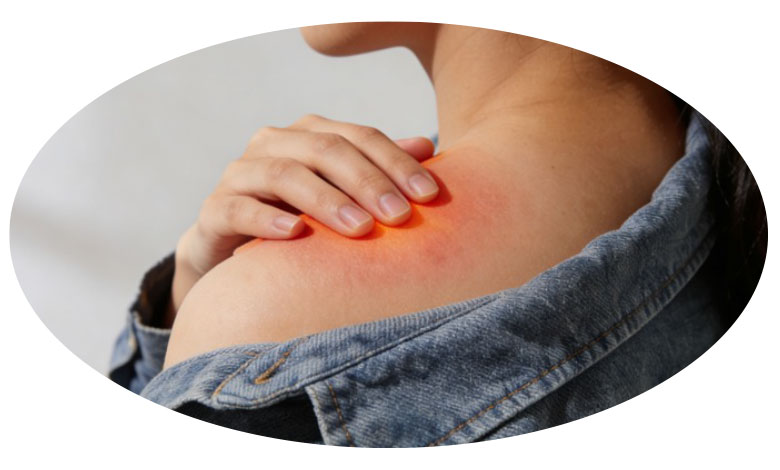
My experience is: if the affected area feels red and hot to the touch, and there’s a noticeable throbbing pain, please apply a cold compress first. Only after the inflammation subsides is it the right time for heat therapy patches to work their magic in “warming the meridians and promoting blood circulation.”
2. Can your skin really sense the heat?
This might sound like a trivial matter, but it’s an extremely serious professional issue.
In the cases I’ve encountered, those most susceptible to low-temperature burns are often people with impaired sensation. For example, patients with severe diabetes, those with localized nerve damage, or areas where a strong anesthetic ointment has recently been applied.
3. How to use heat patches safely and effectively?
This article isn’t meant to scare anyone, but rather to help everyone enjoy heat therapy more safely and effectively. Therefore, I have some suggestions for you:
Distinguish between acute and chronic injuries: For acute injuries, apply cold first, then heat.
Avoid using it while sleeping: The body’s sensitivity decreases during sleep, making it a high-risk period for low-temperature burns.
Avoid using it while driving or wearing tight clothing or putting any additional pressure on it: Under pressure, heat will be more concentrated in the heated area, making burns much more likely.
What is my final advice?
Heat Therapy is a warm and healing treatment, but “safety” should always be the top priority. If you are unsure whether this treatment is suitable for your physical condition, please feel free to leave us a message on our website or consult your personal doctor.