
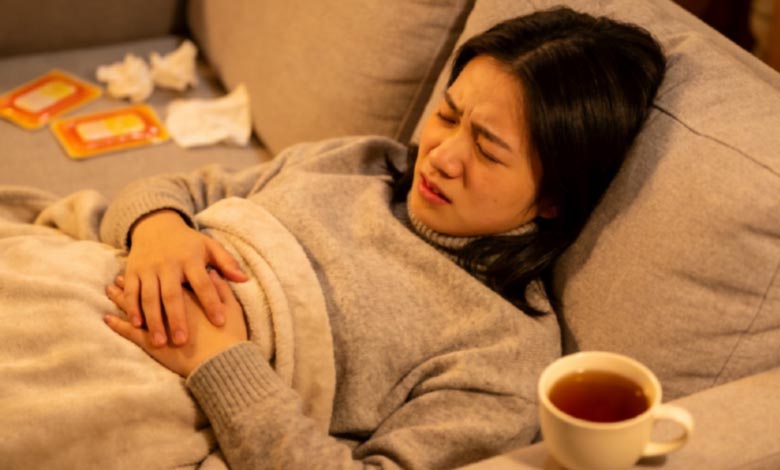
Every month, I used to ask myself the same question:
Is there a way to relieve period pain without relying on painkillers?
Over time, I found a simple and effective answer—heat therapy, especially when used correctly through a well-designed period pain patch.
In this article, I’d like to share my personal experience, combined with scientific insights, to explain one key idea:
Heating patches do work—but only if you choose and use them properly.
1. Why Heat Helps Relieve Menstrual Pain
The first time I realized heat actually works was with something very simple—a hot water bottle.
That gentle warmth on my lower abdomen immediately eased the discomfort. Later, I looked into the science behind it:
Heat therapy helps improve local blood circulation, which reduces uterine muscle spasms
It also promotes muscle relaxation, easing tension in the abdominal area
Clinical studies have shown that continuous low-level heat therapy can be as effective as some over-the-counter pain relief methods for dysmenorrhea.
That’s why applying heat to the lower abdomen is widely recommended as a safe and non-invasive approach.
2. A Common Mistake: “The Hotter, The Better”
At first, I assumed higher temperature meant better results.
But in reality, I experienced:
- Discomfort from excessive heat
- Skin irritation concerns
- Uneven heating that didn’t feel soothing
That’s when I realized something important:
It’s not about high temperature—it’s about stable, controlled warmth
Research suggests that:
A temperature range of around 42–50°C (107–122°F)is optimal for therapeutic heat
- Too low → ineffective
- Too high → risk of skin irritation or burns
3. High-Temperature vs. Balanced-Temperature Heating Patches
High-Temperature Patches
- Rapid heat-up, often reaching higher peak temperatures
- Temperature fluctuations over time
- Potential for localized overheating
Experience: Intense at first, but not comfortable or consistent
Balanced-Temperature Patches (Recommended)
- Maintain a steady temperature around 50°C (122°F)
- Provide continuous heat for 8–12 hours
- Even heat distribution without spikes
Experience:
- Gentle, consistent warmth
- Comfortable enough for all-day use
This aligns much better with the principles of effective heat therapy.
4. How I Use a Heating Patch (Simple Routine)
Here’s what works best for me:
✓ When to Use
- At the first sign of discomfort
- Or even slightly before my period starts
✓ Where to Apply
- Lower abdomen (around 5–10 cm below the navel)
✓ Duration
- One patch lasts most of the day (8–12 hours)
No need for constant adjustments—it fits seamlessly into daily life.
5. Why I Prefer Direct-to-Skin, Medical-Grade Patches
After trying different options, I found myself leaning toward more advanced solutions like the period pain patches from Jiangsu Hanyao Medical Devices Co., Ltd.
Here’s why they stand out:
⭐ 1. Scientifically Designed Temperature Range
- Maintains approximately 50°C- 60℃
- Aligns with clinically recommended heat therapy levels
- Effective without being too aggressive
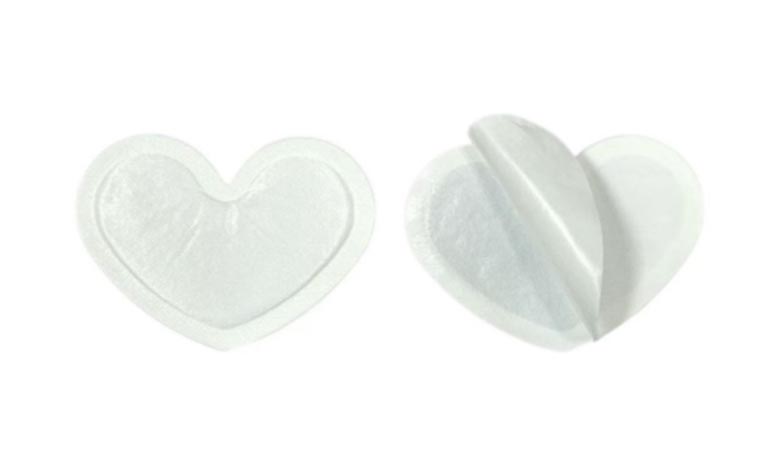
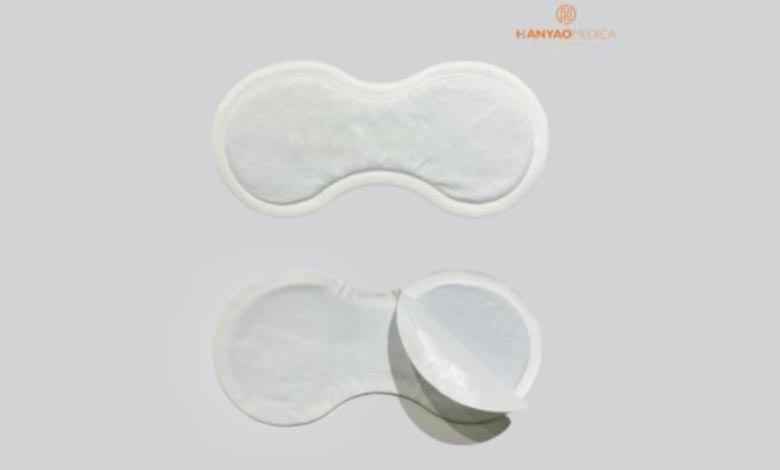
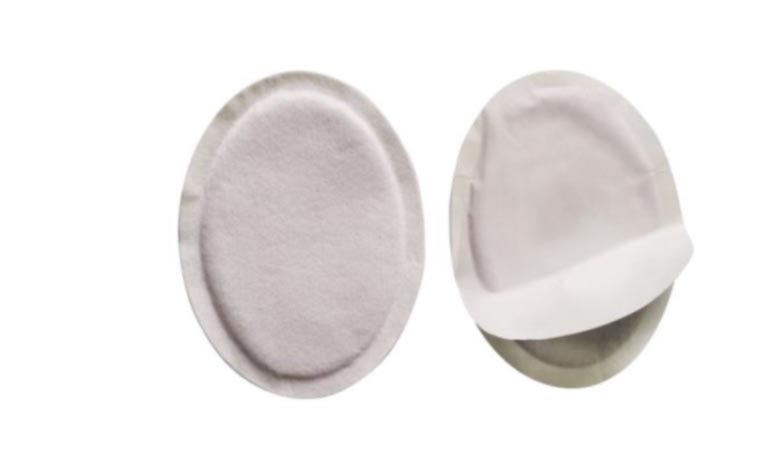
⭐ 2. Safe for Direct Skin Application
- Uses medical-grade materials
- Breathable non-woven fabric
Minimizes irritation while maximizing comfort
⭐ 3. Long-Lasting, Stable Heat
- 8–12 hours of continuous warmth
- No sudden temperature spikes
Reliable support throughout the day
⭐ 4. Thin, Discreet Design
- Lightweight and low-profile
- Easy to wear under clothing
Ideal for work, travel, or daily activities
⭐ 5. Drug-Free, Non-Invasive Solution
- Based on physical heat therapy
- No concerns about medication side effects
A great alternative for those seeking a natural approach
6. What Really Makes a Heating Patch Effective
From my experience, it comes down to this:
A heating patch is not meant to “block pain instantly” like medication
It works by supporting your body gently and consistently
When used correctly:
✔ It reduces discomfort
✔ Improves overall comfort during menstruation
✔ Helps your body relax naturally
But if the temperature is too high or unstable:
❗ It can actually create more discomfort
Final Thoughts
I used to think period pain was something I just had to endure.
Now I see it differently.
Relief doesn’t have to be intense to be effective
Sometimes, the best solution is simply steady, balanced warmth
Just like a well-designed heating patch—
it’s not about being hotter, it’s about being right.