

[Jiangsu, China] — March 22, 2026 — The escalating conflict in the Middle East has sent shockwaves through the global manufacturing sector, with the air-activated heat patch industry facing an unprecedented “double squeeze” on raw material costs. As crude oil prices fluctuate and the closure of key shipping routes like the Strait of Hormuz disrupts the flow of petrochemicals, the cost of non-woven fabrics and plastic packaging has reached a three-year high.
The Petrochemical Ripple Effect: Fabric and Packaging Under Pressure
For the heat patch industry, the impact of the 2026 Iran conflict is not just a headline; it is a direct hit to the bill of materials. Air-activated heat patches rely heavily on polypropylene (PP)—the primary feedstock for the breathable non-woven fabrics that house the heating element.
“We are seeing a market where the price of PP resin has surged by nearly 3 times in a matter of weeks,” says Bella, at Jiangsu Hanyao. “Because Iran is a pivotal exporter of chemical precursors, the maritime blockade has tightened the global supply of synthetic fibers. Simultaneously, the cost of the multi-layer film used in our outer packaging—essential for maintaining the shelf-life of the patches—has tracked the upward trajectory of oil-derived plastics.”

The Supply Chain Crisis: Why Most Manufacturers are Raising Prices
Most players in the heat patch market function as “assembly-only” factories, purchasing their non-woven fabric and packaging from third-party vendors. As these vendors pass their increased energy and raw material costs down the line, many international buyers are receiving notifications of 15% to 20% price hikes on finished goods.
The logistics crisis is further compounding these issues. With “conflict surcharges” and diverted shipping routes adding weeks to lead times, the industry is witnessing a shift from “just-in-time” to “just-in-case” sourcing.

Our Strategic Advantage: Resilience Through Self-Sufficiency
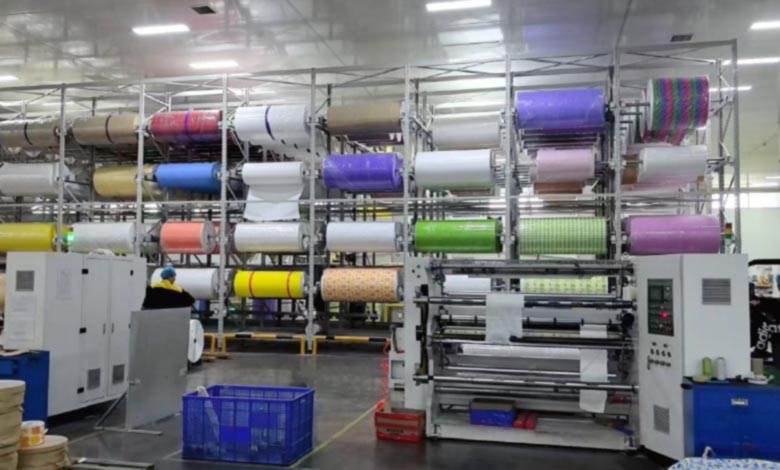
In this volatile climate, Jiangsu Hanyao stands in a unique position. As China’s largest manufacturer of the specific non-woven fabrics used in air-activated heat patches, we are not just a brand; we are the source.
We believe that our customers should not have to pay the price for global instability. While others are scrambling to secure raw materials at premium prices, we have taken a proactive stance:
Strategic Inventory: Anticipating market volatility, we are the direct manufacturer of fabric, we secured a reserve of raw materials and finished fabric rolls, it supports stability of price control in some extent
Price Freeze for Partners: Leveraging our internal supply chain, we are officially announcing a price lock for our long-term partners, the stocks will be used for our old customer first, we are absorbing the rising costs of packaging and energy internally rather than passing them on to our clients
Uninterrupted Production: While smaller factories face potential shutdowns due to material shortages, our vertical integration ensures that our production lines remain at 100% capacity.
A Human Approach to a Global Crisis
“I personally see this as a moment of truth for the industry,” adds Bella. “It’s easy to be a good partner when the seas are calm. But in times like these, we feel a deep responsibility to use our size and our inventory to act as a buffer for our clients. We aren’t just selling heat patches; we are providing the market stability that our distributors need to survive 2026.”
About Jiangsu Hanyao
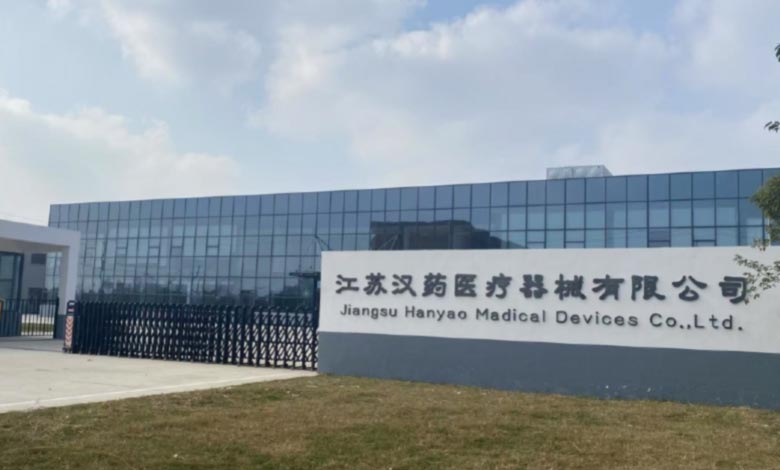
Located in Jiangsu Province, Jiangsu Hanyao is a global leader in the production of air-activated heat patches and the largest domestic manufacturer of specialized non-woven fabrics for the thermal therapy industry. With a focus on vertical integration and innovative material science, we provide high-quality OEM/ODM services to the world’s leading healthcare brands.
Website: WWW.JSHANYAO.COM